Affordable Housing
Affordable housing is usually treated as a unit count. Build the units, restrict the rents, report the
number.
That framing is how a city ends up with restored houses on streets nobody wants to live on. A family can afford the rent and still leave, because the nearest grocery is a bus transfer away, the pediatrician is across town, and there is no childcare within twenty minutes of the job.
So we work on both. The house, and the block it sits on
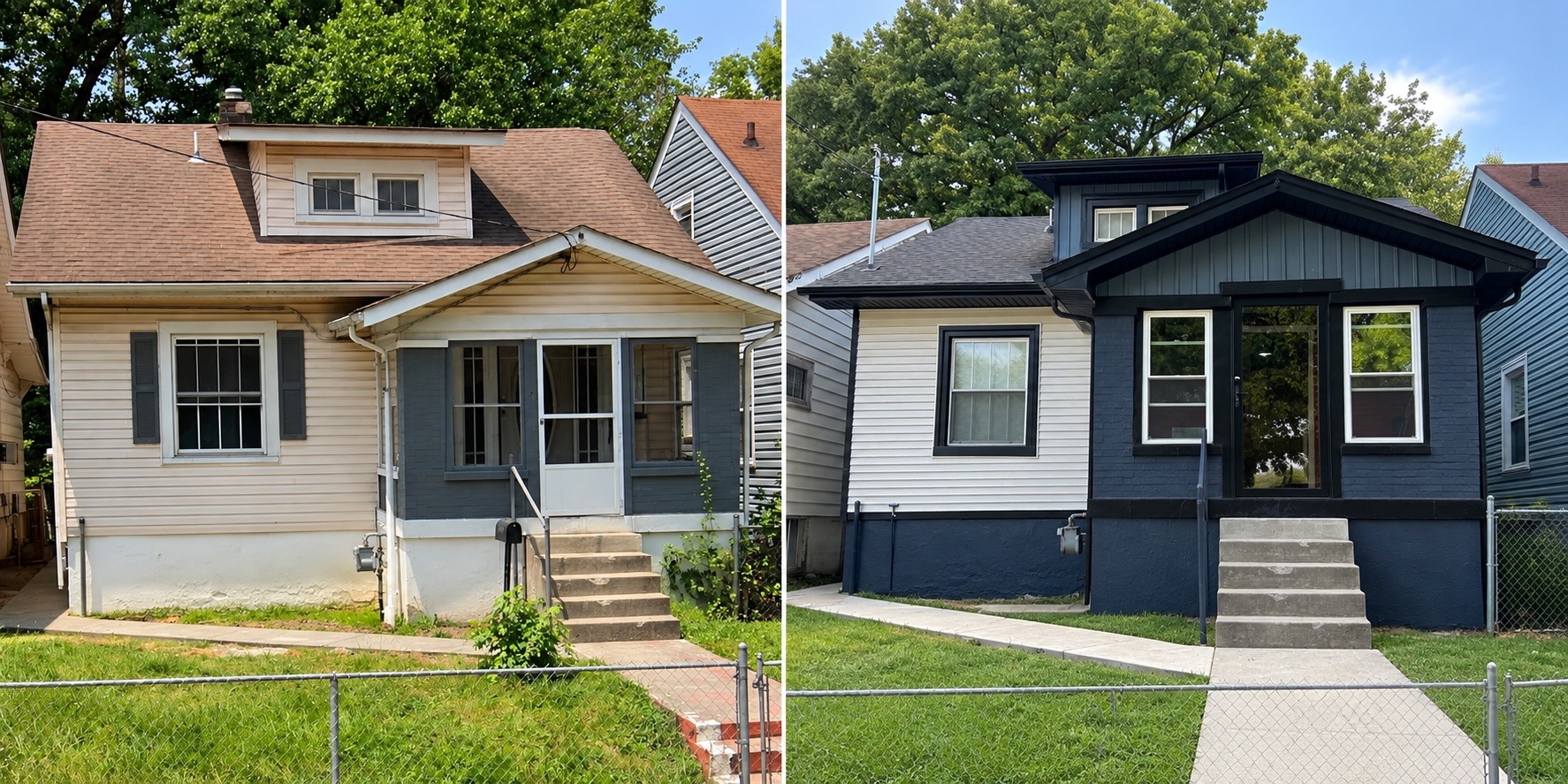
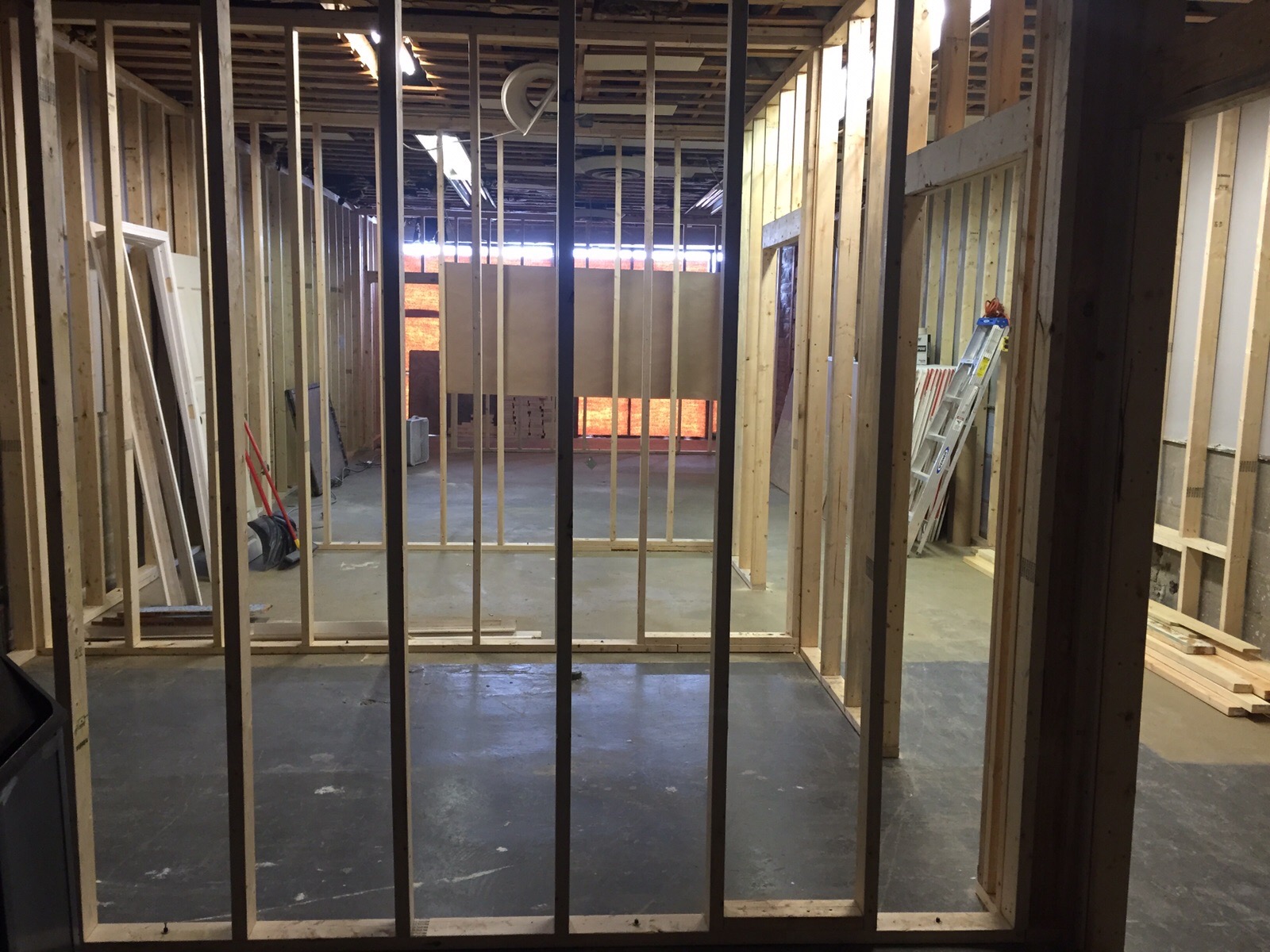
We acquire and restore vacant and deteriorated single family homes and duplexes, and we build on the empty lots between them. As the Foundation grows, small apartment communities come into scope
The Foundation keeps ownership permanently. This is the difference that matters most, and it is worth stating without hedging.
Rent restrictions run fifteen, thirty, or forty years, and then the compliance period closes and the unit converts to market rate. Families who built a life around that rent find out what it was really worth.
When the Foundation owns the asset outright and answers to a charitable purpose rather than to investors, the rent stays low because there is nobody to raise it for. Restored houses stay in the Foundation's portfolio. They are not a pipeline to a future s
Systems, roof, envelope, kitchen, bath. Energy performance that lowers the utility bill, because a low rent behind a two hundred dollar winter gas bill is not affordable housing. New construction that belongs on the street rather than announcing itself as subsidized. Nobody should be able to identify our houses by looking at them.
Housing and the local economy fail together, and they recover together. Disinvestment did not take the houses and leave the businesses. It took both, and putting one back without the other does not hold. So as the Foundation grows, we support the things that have to exist within walking distance of a home.
Groceries and fresh food within walking distance rather than a bus transfer. Corner stores that carry produce. Space for food businesses owned by people who live nearby.
Primary care, dental, and elder care close enough to keep an appointment without arranging a ride, in neighborhoods where the emergency room has become the default clinic.
Licensed care near home, because a parent without childcare cannot hold a job, and a neighborhood where parents cannot work does not stabilize no matter how good the housing gets.
Affordable commercial space for small businesses owned by residents, so that money
earned on the block has somewhere on the block to go.

From the day it is occupied, and that rent is what funds the next property and eventually the work around it. The portfolio is the engine.
The neighborhood work follows the housing geographically. We concentrate properties on the same blocks, which means the food, health care, and childcare we support serves people wealready know and already house. That is a smaller and more accountable footprint than scattering
effort across a whole side of a city.
It also keeps us honest. If a family we house still cannot buy groceries within a mile, the housingdid not finish the job.
We do not displace a sitting tenant to renovate around them. We do not take on a property or a block we cannot afford to maintain for twenty years. We do not treat a ribbon cutting as the finish line.
Saying that plainly matters, because every one of those things has happened in West Louisville before, and the neighborhood has learned to ask.

PARTNER WITH US
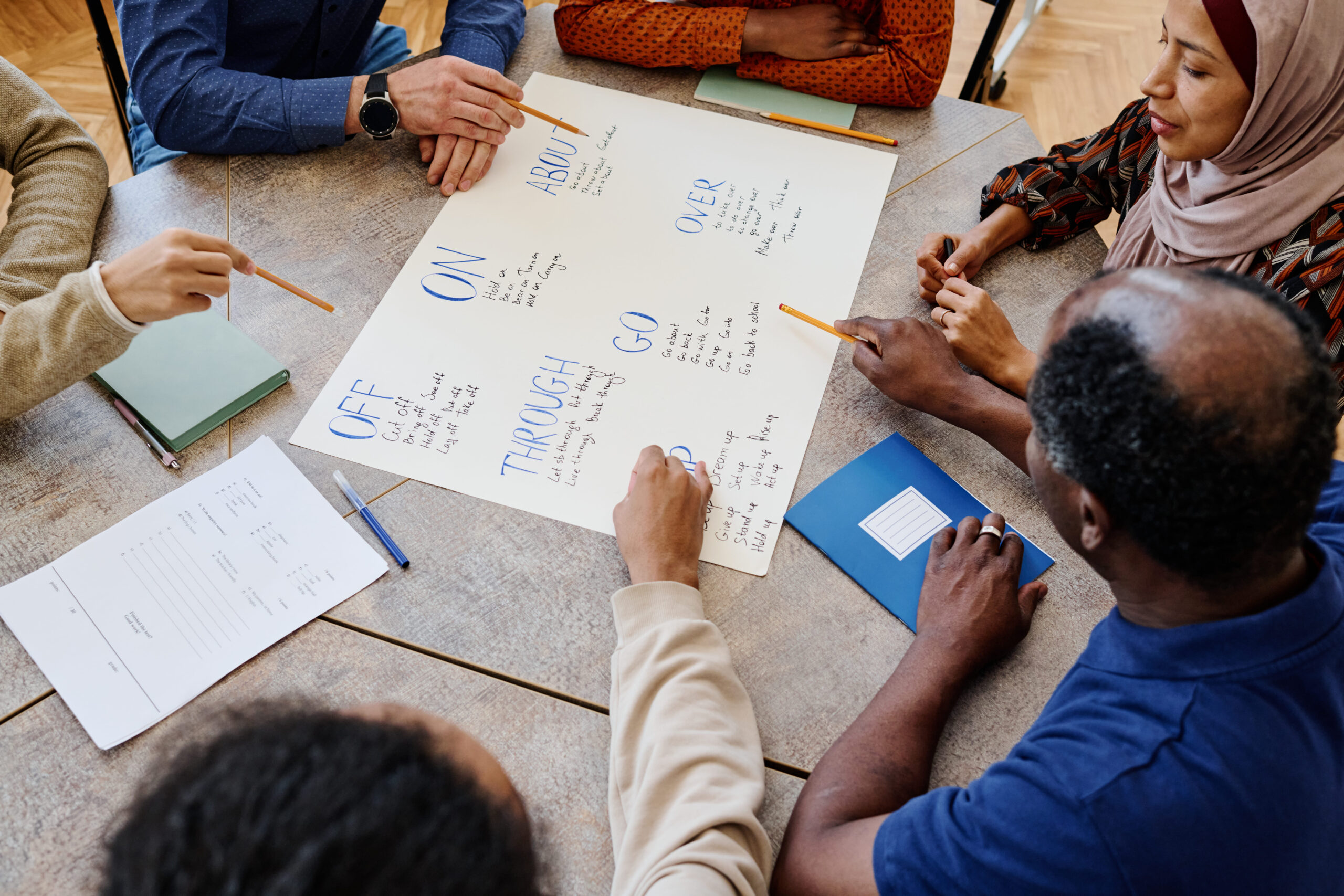
The Revil Foundation works with organizations, supporters, and community partners who share our vision of restoring homes, strengthening neighborhoods, and creating opportunities for future generations.